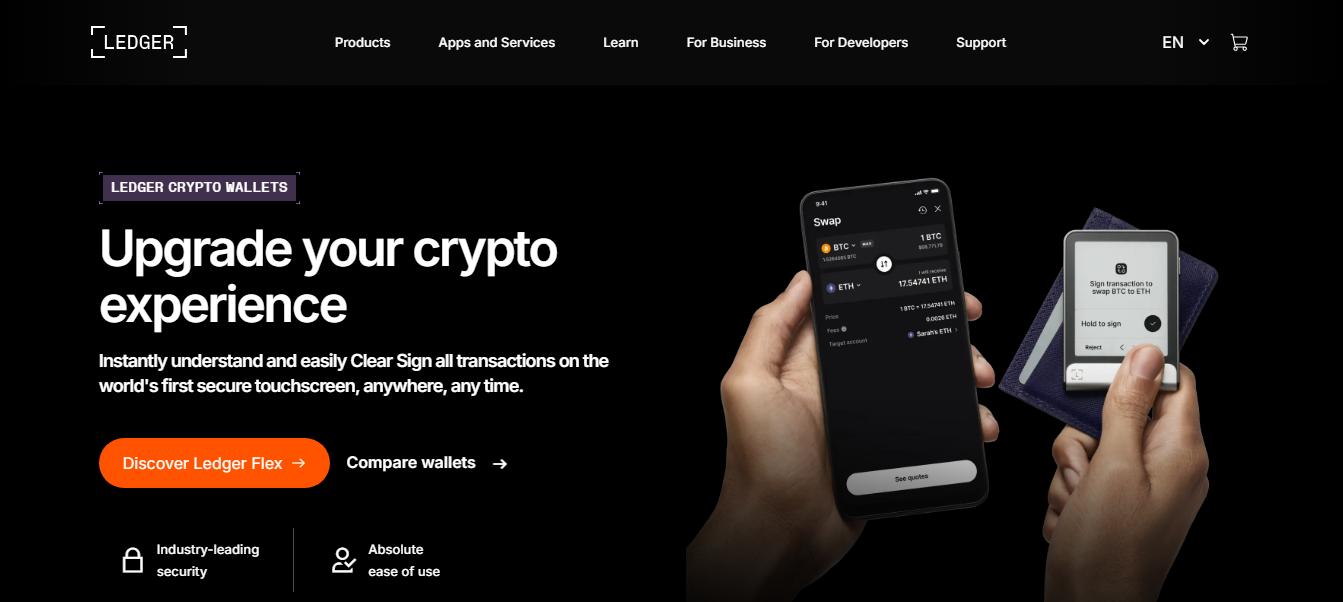
As cryptocurrency ownership grows worldwide, protecting digital assets has become more important than ever. Unlike traditional financial systems, crypto users hold full responsibility for their funds — there are no banks to reverse mistakes or recover lost passwords. This reality makes choosing the right wallet solution essential.
Ledger.com/start is the official onboarding platform designed by Ledger to help users securely activate their hardware wallets. It provides a guided experience for installing trusted software, initializing devices, backing up recovery phrases, and verifying hardware authenticity. Whether you’re new to crypto or managing a large portfolio, Ledger.com/start ensures your assets begin their journey in the safest environment possible.
This guide explores how Ledger.com/start works, why it matters, and how to use it to protect your cryptocurrency with confidence.
Ledger.com/start is Ledger’s official setup portal that ensures every device is activated using secure, verified procedures. It prevents users from downloading fake apps, installing malicious firmware, or falling victim to phishing attacks — common risks in the crypto space.
Through this page, users can:
Using Ledger.com/start means your wallet setup follows Ledger’s trusted security standards from day one.
Online wallets and exchanges are convenient, but they expose private keys to internet-connected environments, increasing the risk of theft. Hardware wallets eliminate this vulnerability by storing keys offline and requiring physical confirmation for transactions.
Ledger.com/start provides seamless access to this security infrastructure.
Ledger.com/start works with the latest Ledger hardware wallets:
Both models use the same trusted onboarding workflow.
Below is a complete walkthrough of the setup process.
Open your browser and type:
ledger.com/start
Avoid clicking ads or unfamiliar links. Bookmark the official page for future reference.
Choose your device type on the setup screen to receive compatible instructions and firmware.
Ledger Live is Ledger’s official wallet management application that allows you to:
Ledger Live is available for Windows, macOS, Linux, Android, and iOS. Always download it from Ledger.com/start.
Once downloaded:
Ledger Live will guide you through every remaining step.
Plug in your Ledger Nano S Plus via USB or pair your Ledger Nano X using Bluetooth or USB. Power on the device and press both buttons to begin.
You’ll be asked to set a PIN:
This PIN protects your wallet if someone gains physical access.
Your Ledger device will generate a 24-word recovery phrase, shown one word at a time. This phrase is the only way to restore access to your crypto if your device is lost or damaged.
Ledger Live will verify the phrase before proceeding.
Ledger Live performs a cryptographic check to confirm your device is genuine and untampered. This step ensures your hardware hasn’t been compromised before use.
Each blockchain requires its own app on your Ledger device. Popular apps include:
Apps can be added or removed anytime without affecting your funds.
Once apps are installed:
Your Ledger wallet is now fully operational.
Ledger Live unlocks a wide range of features.
Monitor balances, prices, and performance across all assets.
Trade directly inside Ledger Live through integrated providers.
Store and transfer NFTs securely on Ethereum and Polygon.
Earn passive income by staking supported cryptocurrencies like Ethereum, Solana, Cosmos, Polkadot, and Tezos.
Keep your wallet secure with verified firmware updates.
Even with hardware security, user behavior remains critical.
Ledger will never ask for your recovery phrase — not by email, chat, or phone.
Only use Ledger.com/start for downloads and setup.
Avoid patterns like 1234 or repeated digits.
Use fireproof safes, metal backups, or secure physical storage.
Manage crypto only on secure personal computers or phones.
Your crypto is not stored on the physical wallet — it exists on the blockchain. The Ledger device only stores your private keys securely offline.
If your wallet is lost:
As long as your recovery phrase is safe, your crypto remains secure.
Here’s how Ledger hardware wallets compare to software wallets:
FeatureLedger Hardware WalletSoftware WalletKey StorageOfflineOnlineMalware ResistanceVery HighModerateTransaction ApprovalPhysical deviceSoftware-basedLong-Term StorageIdealLimitedRecovery Method24-word phrasePassword/email
Ledger.com/start combines strong security with user-friendly design.
Ledger.com/start guarantees:
Using unofficial sources significantly increases the risk of compromised wallets.
Ledger.com/start is designed for users of all experience levels:
No technical expertise is required to protect crypto with Ledger.
Add a 25th word for hidden wallets and enhanced security.
Separate long-term storage from daily spending accounts.
Use Ledger with MetaMask, Phantom, and WalletConnect to access dApps without exposing private keys.
Use metal recovery storage for fireproof and waterproof protection.
Ledger Nano X supports mobile-only setup:
This allows complete crypto management without a desktop computer.
Ledger does not use traditional logins. There are:
Security relies entirely on your hardware wallet, PIN, and recovery phrase — ensuring full ownership.
Ledger firmware updates improve:
Always update through Ledger Live after visiting Ledger.com/start and keep your recovery phrase safe before updating.
Ledger.com/start is ideal for:
Anyone who values privacy and security benefits from Ledger hardware wallets.
Ledger protects millions of users globally through:
Ledger.com/start plays a central role in maintaining this trusted security ecosystem.
Ledger.com/start is the safest and most reliable entry point for self-custody crypto security. By following the official setup process — installing Ledger Live, creating a strong PIN, backing up your recovery phrase, and installing blockchain apps — users gain full control over their digital assets.
In a crypto environment filled with scams, hacks, and exchange failures, Ledger.com/start provides peace of mind through offline private key storage, hardware-level authentication, and verified software downloads.